

Key Takeaways
- Managing a rental property remotely is entirely possible with the right tools, systems, and support.
- A reliable property manager and modern tech solutions can minimize stress and maximize profitability.
- Staying proactive about communication, maintenance, and finances protects your investment long-term.
Being a landlord while living in another city or state can sound stressful. You can’t drive over to fix a leaky faucet or stop by for quick tenant questions. Still, many people successfully own rental properties in one city while living in another.
If your rental is in Charlotte but you live elsewhere, this guide from Specialized Property Management Charlotte is for you. We’ll show you how to stay organized, keep tenants satisfied, and protect your investment, without needing to be down the street.
1. Work with a Property Management Company You Can Rely On
This is the most important step. You need a local team you can trust.
A dependable property manager serves as your boots on the ground. They handle everything from showing the unit and screening tenants to coordinating repairs and responding to emergencies.
This means you won’t need to micromanage or arrange last-minute maintenance from hundreds of miles away. Instead, you can review monthly reports while professionals take care of the day-to-day operations.
Pro tip: Choose a Charlotte-based company like Specialized Property Management Charlotte that understands local laws and has experience working with out-of-town property owners.
2. Use Technology to Make Life Easier
Today’s tech makes it easier than ever to manage rental properties remotely.

Useful tools include:
- Online rent collection portals like AppFolio or Buildium.
- Electronic lease signing platforms such as DocuSign or HelloSign.
- 3D virtual tours or video walk-throughs for listings.
- Smart home devices, including remote locks or smart thermostats.
These tools increase efficiency and enhance the tenant experience.
3. Keep the Communication Clear
Even if you’re not local, tenants should never feel like they’ve been left on their own. Make it clear how to contact you or your property manager and what kind of response they can expect.
Consistent and professional landlord-tenant communication builds trust. Even a short video call every few months can strengthen the landlord-tenant relationship and help avoid misunderstandings.
4. Stay on Top of Property Condition
Small issues can turn into expensive repairs if ignored.
Stay proactive by:
- Scheduling annual or biannual inspections.
- Requesting regular photo or video updates.
- Using third-party inspectors for objective property evaluations.
Keeping up with maintenance protects both your investment and your tenants’ satisfaction.
5. Know the Rules in Charlotte
Living in another state doesn’t change the fact that your rental must comply with North Carolina’s landlord-tenant laws. These laws cover lease agreements, notices, evictions, and security deposits.

Don’t leave compliance to chance. Speak with a local expert or property manager to ensure your processes and documents meet all legal requirements.
6. Screen Tenants Thoroughly
Since you’re not nearby, placing responsible tenants is even more important.
During a tenant screening process, always:
- Run credit and background checks.
- Verify employment and income.
- Review rental history.
- Call references.
The right tenant can make managing your property from a distance far more manageable.
7. Be Ready for Emergencies
Things will go wrong from time to time. Pipes may leak, the AC could stop working, or tenants might lose their keys.
Have a plan in place:
- Maintain a list of trusted local vendors.
- Give tenants clear instructions on whom to contact in urgent situations.
- Keep your insurance coverage up to date.
Your property manager can usually handle these issues, but it’s wise to understand the response process.
8. Don’t Lose Track of Your Income
Your rental is a business, and you need to know your numbers.

Track:
- Rent collection.
- Maintenance and repair costs.
- Tax documents and year-end summaries.
Ask your manager for monthly financial statements, and use accounting tools like QuickBooks or Stessa. Accurate records will help at tax time and give you a clear picture of your property’s performance.
9. Build a Good Relationship with Your Tenants
You might live far away, but you can still be a responsive and respectful landlord. Tenants who feel heard are more likely to renew their leases and take good care of the property.
Fewer vacancies mean more income and less turnover work for you. Attracting long-term tenants is always in a long-distance landlord’s best interests.
10. Keep Tabs on the Charlotte Market
Rental markets change. Stay informed about Charlotte trends so you can adjust accordingly.
Ask yourself:
- Are rental rates rising in your neighborhood?
- Is there more demand in your ZIP code?
- Should you consider raising rent at renewal time?
Websites like Redfin and Zillow provide local data that helps you make smarter, more profitable decisions.
11. Use Smart Devices to Stay in the Loop
Smart technology can provide peace of mind and added convenience.
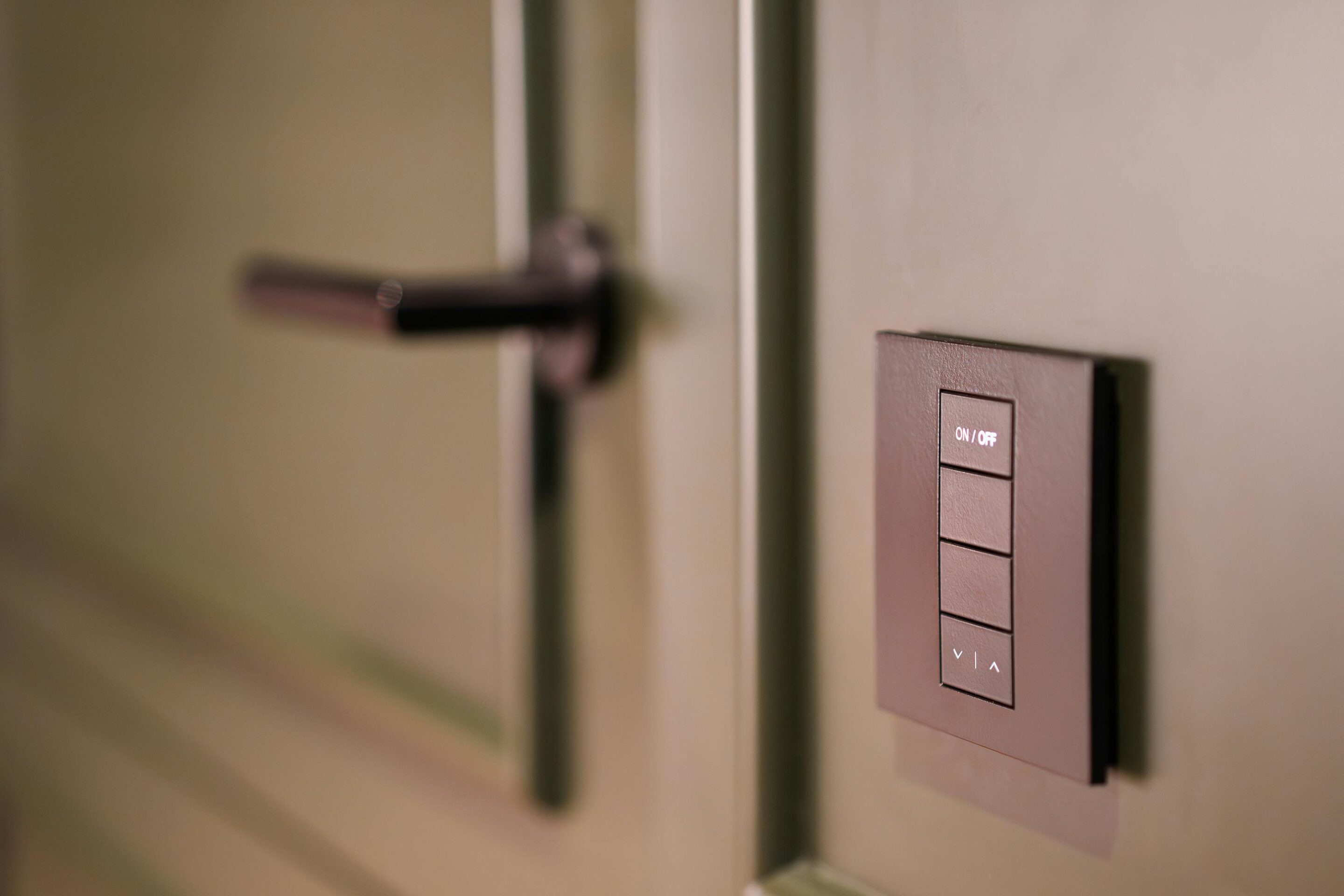
Consider:
- Smart locks that allow you to provide vendors with a one-time access code.
- Security cameras to monitor exterior areas or common spaces.
- Smart thermostats to manage energy use during vacancies.
These upgrades are cost-effective and helpful for both landlords and tenants.
12. Offer Longer Lease Terms
Turnovers can be time-consuming and expensive when you live out of town.
Try to minimize them by:
- Offering 18–24 month leases.
- Providing small renewal incentives, such as free carpet cleaning or allowing tenants to paint the property.
- Outlining clear expectations for communication and maintenance in the lease.
Stability benefits both you and your tenants.
13. Budget Smarter
Managing remotely usually comes with additional costs, and that’s okay, as long as you plan for them.
Be sure to budget for:
- 10–15% of rent for ongoing maintenance.
- Additional savings for vacancies, legal fees, or travel expenses.
- An emergency fund for unexpected repairs.
A thoughtful budget helps you avoid financial stress when issues arise.
Bottom Line
Long-distance landlording is entirely achievable and can be a smart way to build wealth over time. With the right tools, support, and systems in place, your rental can thrive even if you live in another state.
Need help managing your Charlotte property from afar? Contact Specialized Property Management Charlotte today to learn how we can support your long-distance landlording goals.


