

Key Takeaways
- Proactive Maintenance Protects Your Investment: Regular inspections, timely repairs, and preventive upkeep preserve property value, reduce costly emergencies, and improve tenant retention.
- Clear Processes and Communication Matter: Establish easy reporting systems, educate tenants on responsibilities, and maintain transparency to foster trust and early issue detection.
- Property Managers Streamline Maintenance: A professional property management company can handle repairs, inspections, vendor coordination, and compliance, saving you time and money while keeping tenants satisfied.
Owning a rental property can be a profitable long-term investment, but only if it is well-maintained. Maintenance plays a crucial role in preserving the property’s value, ensuring tenant satisfaction, and minimizing unexpected expenses.
Neglecting upkeep may lead to costly repairs and even cause you to lose good tenants. Let our team at Specialized PM Charlotte guide you through the process!
Understanding Preventive Maintenance
Preventive maintenance involves regular inspections and routine upkeep designed to prevent issues before they become major problems. This includes tasks like servicing the HVAC system, inspecting the roof for leaks, checking plumbing for early signs of damage, and cleaning gutters.
Preventive maintenance may seem time-consuming, but it saves money in the long run by reducing emergency repairs and extending the life of systems and appliances.
Addressing Repairs Promptly
One of the fastest ways to lose a tenant is by ignoring maintenance requests. When a resident reports a leaking faucet, broken appliance, or a faulty electrical outlet, it’s important to respond quickly.
Timely repairs show tenants that you care about their comfort and safety. It also prevents minor issues from escalating into larger, more costly problems. Creating a clear process for handling repair requests can help.
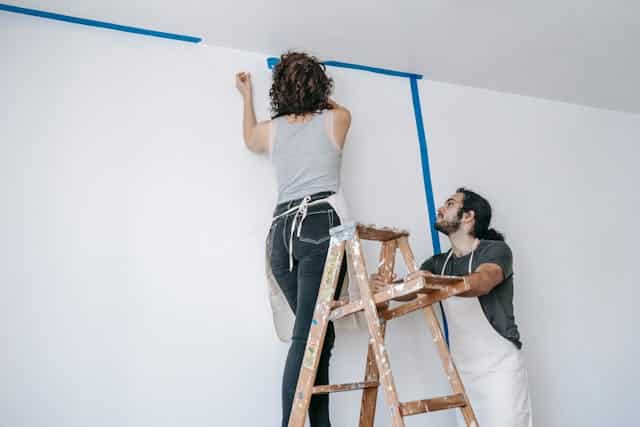
Whether you use an online maintenance portal or a dedicated phone line, make sure tenants know how to report issues and that you respond promptly. Documenting all requests and resolutions also helps protect you legally and ensures you keep track of recurring problems.
Routine Inspections Are Key
Routine inspections help you monitor the condition of your property and ensure lease compliance. At a minimum, conduct inspections during move-in, move-out, and at least once annually during the lease term.
During these inspections, look for signs of damage, wear and tear, or unauthorized modifications. Check smoke detectors, carbon monoxide alarms, and test locks on doors and windows.
Be sure to give proper notice to your tenants before entering the property. Respecting privacy while conducting thorough inspections helps build a positive relationship with your residents and shows them that you are attentive to the condition of your investment.
Landscaping and Exterior Maintenance
Curb appeal matters. A well-maintained exterior not only attracts tenants but also reflects the overall care you provide as a landlord. Keep lawns trimmed, bushes pruned, and walkways clear. Address any peeling paint, cracked siding, or roof damage right away.
In areas with seasonal weather changes, make sure your property is prepared. For instance, winterizing the exterior pipes and checking insulation before the cold months can prevent costly repairs. Similarly, cleaning gutters in the fall prevents blockages and water damage.
Interior Upkeep and Common Wear
Even the most responsible tenants will cause general wear over time. Stay ahead of this by replacing worn carpets, repainting scuffed walls, and checking caulking in kitchens and bathrooms.
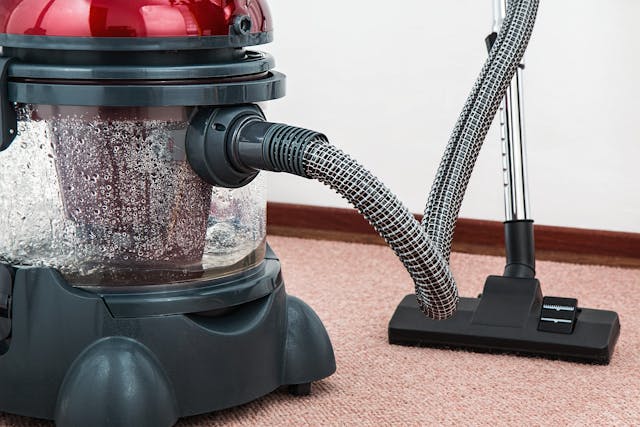
Small updates can make a big difference in tenant satisfaction and in your ability to market the property later.
Pay attention to areas prone to moisture like bathrooms, laundry rooms, and kitchens. Regularly check for signs of mold, leaks, or water damage. Addressing these early prevents long-term structural problems and ensures a healthier living environment for tenants.
Pest Control Management
Pest issues can spiral out of control if left unaddressed. A proactive pest control plan can prevent infestations. Schedule regular inspections, especially in regions where pests like termites, cockroaches, or rodents are common.
Seal entry points, keep common areas clean, and educate tenants about proper trash disposal to discourage pests.
If an infestation does occur, act immediately. Hiring a licensed exterminator and following up to ensure the problem is resolved helps maintain your property’s reputation and tenant satisfaction.
Staying Up to Code and Safe
Safety and code compliance are non-negotiable in rental property management. Ensure your property meets all local building codes, zoning regulations, and safety standards.
This includes having functioning smoke detectors, proper handrails on stairs, secure locks on windows and doors, and clear emergency exits.
Regularly inspect your property for potential hazards, such as uneven flooring, faulty wiring, or blocked fire escapes. Failing to meet legal standards can result in fines, lawsuits, and insurance issues.
Managing Maintenance Costs Wisely
It can be tempting to delay repairs or choose cheaper materials to save money, but cutting corners often leads to higher expenses in the long term. Budgeting for maintenance is an essential part of rental property ownership.

A good rule of thumb is to set aside at least one to two percent of the property’s value each year for maintenance and repairs, as well as any extra set aside for renovations to the rental.
Getting quotes from multiple contractors and building relationships with reliable service providers can help you manage costs without compromising quality. Track all expenses carefully to monitor trends and plan for future upgrades.
Work with a Professional Property Management Company
Handling maintenance yourself may work if you own one or two properties, but as your portfolio grows, it can quickly become overwhelming. A professional property management company can take on the heavy lifting of maintenance and repairs.
Property managers have established relationships with trusted vendors and contractors, which often translates to faster service and better rates.
They can also handle tenant maintenance requests, conduct routine inspections, and ensure your property complies with local regulations. Their experience and systems help reduce risk and give you more time to focus on your overall investment goals.
Working with a property management company also improves tenant satisfaction. Residents appreciate timely, professional service, and are more likely to renew leases and care for the property when they see that issues are taken seriously and addressed quickly.
Keeping Tenants Informed and Involved
Good communication with your tenants goes a long way in maintaining your rental property. Educate them on how to report maintenance issues, what they are responsible for, and what you will take care of as the landlord.

Some problems, like clogged drains or appliance malfunctions, can be avoided if tenants are given clear instructions on proper use and basic care.
Encouraging open communication builds trust and ensures that small problems are reported early. Tenants who feel supported are more likely to respect the property and stay longer.
Bottom Line
Maintaining your rental property isn’t just about fixing things when they break. It’s about taking a proactive approach that preserves your investment, keeps tenants happy, and reduces long-term costs.
Working with professional property managers can make this process easy, contributing to the overall success of your rental business.
Reach out to our experts at the Specialized PM Charlotte for more information.
Investing the time and resources into proper maintenance today can save you significant money and stress tomorrow. Whether you manage the property yourself or with the help of a trusted property management company, staying committed to maintenance is key to being a successful rental property owner.


