


Key Takeaways
- Rising interest rates don’t eliminate the profitability of rental properties, especially in growing markets.
- Increased rental demand often accompanies rate hikes, helping landlords offset borrowing costs.
- Real estate continues to offer long-term advantages like inflation protection, tax benefits, and equity growth.
Interest rates are up. For many real estate investors, this may seem like a curveball. Borrowing is more expensive, mortgage payments are higher, and projected returns may not look as attractive on paper. Naturally, landlords are asking: Is real estate still worth the trouble? Will I still make money on my rentals? Or should I hold off for a more favorable market?
These are all reasonable questions. But here’s the truth: rental properties remain one of the most reliable investment vehicles around, even in unstable market conditions. The Great Depression, COVID-19, the Global Financial Crisis: history repeatedly shows us that real estate, particularly residential rental property, can always bounce back from any economic downturn.
As of mid-2025, mortgage rates have hovered around 6.81%. While this is a far cry from the sub-3% rates seen during the 2020 lockdown era, it’s still manageable when viewed against historic highs, such as the 1980s when mortgage rates topped 18%. Despite those extremes, people still bought homes, investors still earned profits, and the market adapted instead of collapsing.
Why? Because people will always need a place to live. And when mortgage rates rise and homebuying becomes less affordable, more people turn to renting. This increased demand for rental housing often drives higher rents, providing ongoing opportunities for landlords.
If you’re confused by any of this, let our expert team at Specialized Property Management Charlotte guide you through the process.
Long-Term Hedge Against Inflation
During periods of inflation, the value of cash and savings tends to decline. Real estate, however, has historically served as a hedge. As the cost of living rises, so do hard assets like real estate and rents. This helps preserve the value of your investment and protects your purchasing power over time.
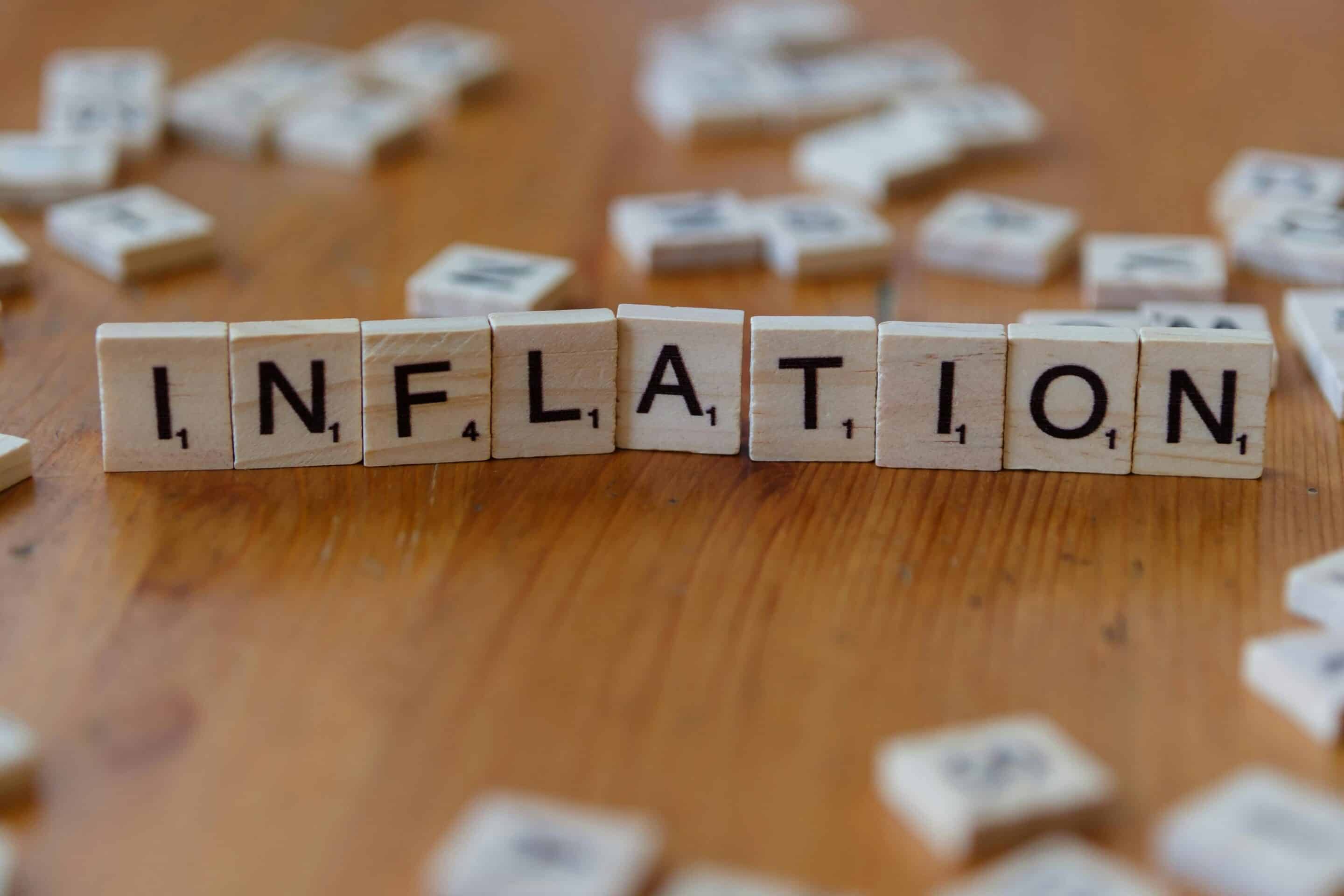
For example, while your mortgage payment remains fixed, your rental income may increase with inflation. Unlike stocks or savings accounts that can struggle during inflationary periods, rental properties can remain resilient and profitable. Whether you’re a local or long-distance landlord, investing in real estate is always the best option.
Rising Rents Can Offset Higher Borrowing Costs
Even with a 7.5% mortgage rate, a well-managed rental generating $1,800 a month can still produce positive cash flow. While the margin may be slimmer, increasing rental income in response to local market demand helps balance out the impact of rising interest costs.
In thriving markets with consistent job growth and population increases, this is particularly clear. Housing demand stays strong, and rental rates often continue to climb, especially for in-demand units like one or two-bedroom properties.
How Does This Help Your Bottom Line?
The link between rising mortgage rates and growing rental demand is one of the most compelling reasons to continue investing in real estate. As fewer people are able to afford homeownership, more turn to renting.

This often leads to increased rental income, which can offset the cost of higher mortgage payments and help maintain profitability.
How Rental Properties Really Make Money
Many assume rental properties only produce income through cash flow, but that’s just one of five major profit drivers:
- Cash flow.
- Property appreciation.
- Tax advantages.
- Equity accumulation via mortgage paydown.
- Protection against inflation.
Understanding these pillars is essential for long-term investing. Even if higher interest rates compress cash flow, the other four factors continue to strengthen your investment over time.
For example, appreciation can significantly boost your asset’s value in a few years. Regular mortgage payments build equity monthly, increasing your net worth. Real estate comes with valuable tax benefits, including deductions for mortgage interest, depreciation, repairs, and management services.
Tips for Investing in Rental Properties During Rate Hikes
Success in a high-rate environment calls for a smarter strategy, not a retreat from the market.

Here are some key tips:
- Focus on Cash Flow First: Look for properties with strong, positive cash flow from day one.
- Buy Below Market Value or in Growth Areas: Target deals with built-in equity or in regions with upward trends.
- Do Your Homework: Research the local market, neighborhood conditions, and tenant demand.
- Explore Financing Options Carefully: Learn about all mortgage types and understand your risk tolerance.
- Keep Emergency Reserves: Set aside funds for repairs and vacancies to stay financially stable if you can’t attract long-term tenants.
Bottom Line
Higher interest rates make borrowing more expensive and may cause hesitation. However, smart investors know that real estate is about more than just rates. It’s a long-term wealth-building tool based on stable income, equity growth, and the unchanging need for housing.
Rather than waiting on the sidelines, focus on adapting your strategy. Rental properties are still worth it. You just need to make the math work in today’s market.
For guidance on maximizing returns and navigating the rental market in a changing economy, Specialized Property Management Charlotte is here to help you invest with confidence.


