

Key Takeaways
- Refinancing your rental property mortgage can help lower your interest rate, shorten your loan term, and improve monthly cash flow.
- Meeting lender requirements such as a solid credit score and a favorable loan-to-value ratio is essential for approval.
- Specialized PM Charlotte can guide you through every step of the refinancing process and help you make informed investment decisions.
Owning a rental property can provide a steady stream of recurring income, but if you’re still paying off a mortgage, your profits may be slimmer than you’d like. Refinancing your rental property mortgage could be the key to boosting those profits, especially if you’re locked into high-interest payments or looking to free up funds for another investment.
By refinancing, you can potentially lower your monthly payments, access built-up equity, and open the door to new financial opportunities. This is particularly timely now that mortgage rates are trending downward and the Federal Reserve is cutting interest rates.
In this guide from Specialized PM Charlotte, we’ll cover everything you need to know about refinancing your rental property mortgage, from the reasons to consider it, to the requirements you must meet, and the steps involved in the process.
Why You Should Consider Refinancing a Rental Property
Refinancing a rental property can be a smart move for investors looking to improve cash flow or secure better loan terms. Below are some of the most common reasons to consider refinancing.
Lower Your Interest Rate
Interest rates are one of the biggest factors affecting your overall loan cost. If you’re able to refinance at a lower rate, you could save thousands of dollars over the life of the loan.

For example, lowering your annual percentage rate (APR) from 6% to 5% on a 30-year, $150,000 mortgage could save you nearly $34,000 in total payments.
Keep in mind that when refinancing to reduce your interest rate, lenders will evaluate factors such as your credit score, the property’s value, and current market conditions.
Shorten the Loan Term
Another reason to refinance is to shorten your loan term. Doing so allows you to pay off your mortgage faster and reduce the total amount of interest paid over time. However, shorter terms often come with higher monthly payments, so make sure the new payment amount fits comfortably within your budget.
Conversely, extending your loan term can lower your monthly payments but increase the overall interest you’ll pay.
Boost Monthly Cash Flow
If your mortgage payments are consuming a large portion of your rental income, refinancing can help improve your monthly cash flow. By lowering your payment or securing better terms, you’ll have more flexibility in your budget.
The extra cash can be used to grow your savings, pay down other debts, or even finance the purchase of another investment property.
Cash Out on Built-Up Equity
Over time, your property may have gained significant equity. A cash-out refinance allows you to tap into that equity and use the funds for other purposes, such as paying off high-interest debt, purchasing additional rental properties, or upgrading your current unit.
Some valuable property upgrades include installing air conditioning, replacing old flooring with hardwood, or adding energy-efficient appliances. These improvements can help attract quality tenants and justify higher rent prices.

Before pursuing a cash-out refinance, analyze the potential risks and make sure it aligns with your long-term investment goals.
What Are the Requirements for Property Refinancing?
Lenders have specific criteria you’ll need to meet to qualify for a refinance. Understanding these requirements ahead of time can improve your chances of approval.
Have a Low Loan-to-Value (LTV) Ratio
The loan-to-value ratio (LTV) compares your remaining loan balance to the property’s current appraised value. Lenders typically want to see a lower LTV for investment properties than for primary residences, as they carry higher risk.
For instance, Freddie Mac generally requires an LTV of 75% or lower for refinancing a rental property. This means you should have at least 25% equity in your property. In comparison, primary residences may qualify with an LTV as high as 95%.
Maintain a Strong Credit Score
Your credit score plays a key role in determining your eligibility and interest rate. Most lenders prefer a minimum score of around 620, but higher scores can help you qualify for more favorable terms.
Before applying, check your credit report for errors, pay down high balances, and make all existing payments on time to strengthen your profile.
Keep a Reasonable Debt-to-Income (DTI) Ratio
Lenders also review your debt-to-income ratio to ensure you’re not overextended. This ratio compares your total monthly debt payments to your gross monthly income. Knowing how to navigate tax season can help increase your gross monthly income.
A DTI ratio below 50% generally improves your odds of approval, showing lenders that you can manage additional financial obligations responsibly.
Steps for Refinancing a Rental Property Mortgage
Once you’ve determined that refinancing is right for you and you meet the basic requirements, follow these steps to complete the process successfully.
1. Prepare the Necessary Documents
Gather all the documentation your lender will need.
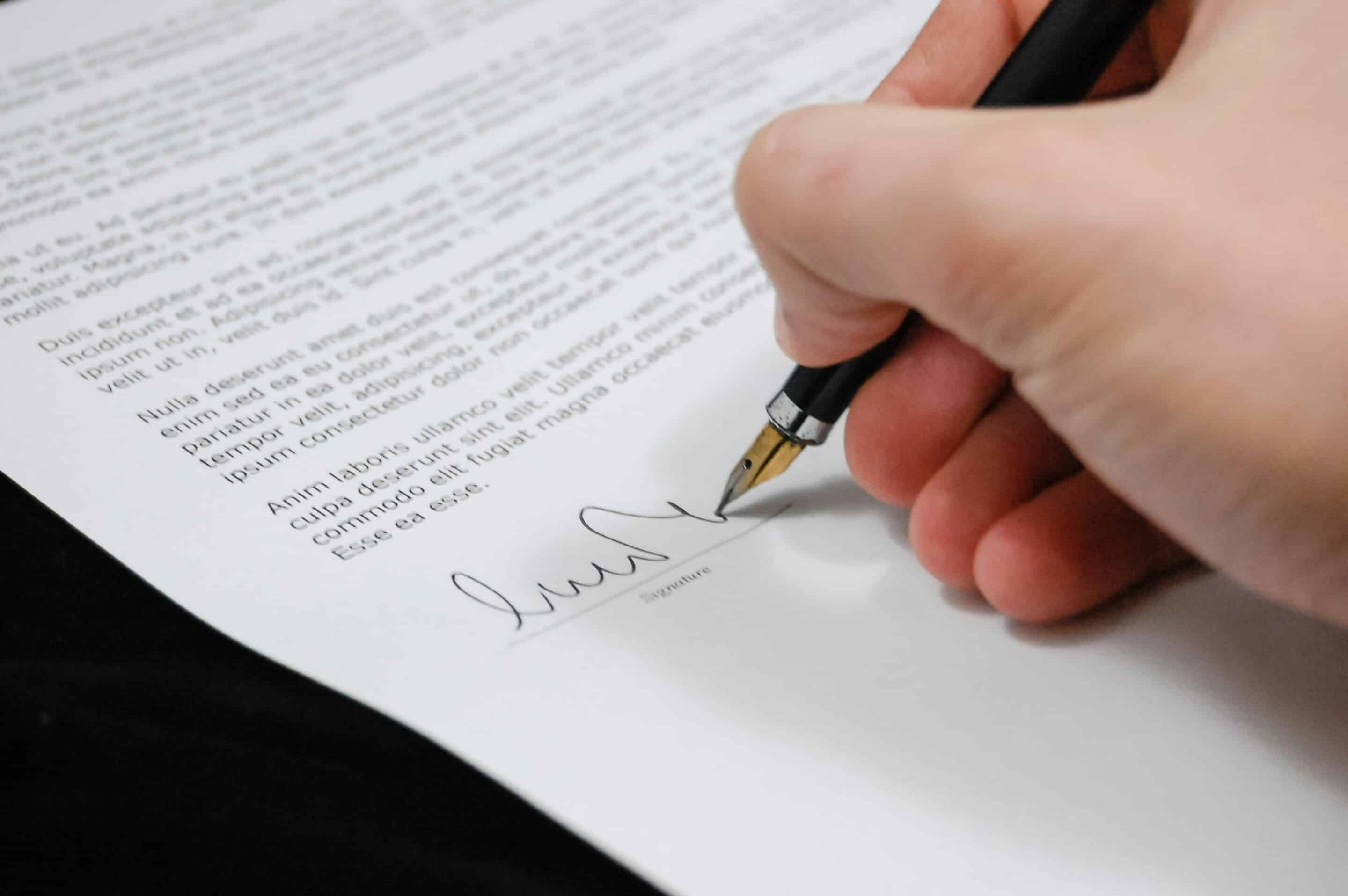
This usually includes recent pay stubs, W-2 forms, proof of homeowner’s insurance, and bank statements. Having these documents ready will help streamline the application and underwriting process.
2. Complete and Submit an Application
You can typically submit your refinancing application online. Be sure to provide accurate and complete information. After reviewing your application, the lender will determine whether you qualify and, if so, issue a loan offer.
3. Review and Lock In Your Loan Terms
Once you receive an offer, carefully review the loan terms, interest rate, and any associated fees. If you’re satisfied with the conditions, lock in your rate immediately to protect yourself from potential market changes.
4. Close the Loan
After underwriting is complete and your new loan terms are finalized, it’s time to close. During this stage, you’ll sign the necessary paperwork, pay any closing costs, and officially secure your refinanced mortgage.
Bottom Line
Refinancing your rental property mortgage can be a powerful tool to improve your financial position. It can help you lower monthly payments, access cash for upgrades or new investments, and build equity faster. However, it’s important to approach the process strategically and ensure the terms align with your investment goals.
If you’re ready to explore refinancing options or need guidance managing your rental property, Specialized PM Charlotte is here to help. With over 30 years of experience in property management and real estate investment, our team can help you make smart, informed decisions that support long-term success. Contact us today to learn more about how we can assist you.


